Ecommerce Website Features: 10 Things Every Successful Store Needs
In this article
- 1. A product page that convinces
- 2. Speed on mobile
- 3. A cart and checkout with few steps
- 4. Several payment methods
- 5. Clear shipping
- 6. An exchange and return policy
- 7. Fast contact
- 8. Categories, search and filters
- 9. Ready for Google
- 10. Connected to measurement and ad tools
- A store or a Facebook page?
- Mistakes that cost stores orders
- After launching the store: how do you get the first orders?
- The store and your brand
- Frequently asked questions about ecommerce website features
- Can I add products myself?
- Can I sell outside my country?
- Do I need a store if I have a successful Facebook page?
- A checklist for your store
- How to write a product description that sells
- The numbers to follow in your store
- The store and customer service
- How many products do I need to open a store?
- Does the store need a mobile app?
- How much does an online store cost?
- Trust in a new store
- Seasons and offers
- What is the most important page in the store?
- Do I need many categories?
- Quick summary
- Conclusion
Many people open an online store and wait for orders, and months later they find visits without sales. The problem is usually not the product; it is the store itself. These are the most important ecommerce website features of a successful store, and if your store is missing any of them, you will see why customers leave before they buy.
1. A product page that convinces
The customer cannot touch the product, so the page must answer all of their questions: clear photos from several angles, a short and useful description, the price, sizes and colours, and the delivery time. A product video is even better, and that is what we do in video production.
2. Speed on mobile
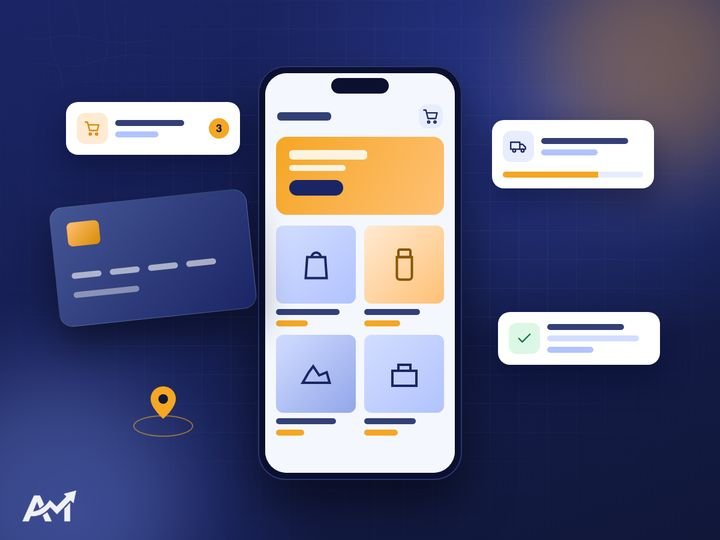
Most orders come from phones, and any delay in opening the page loses you customers. Read why website speed matters.
3. A cart and checkout with few steps
Every extra step at checkout is a chance for the customer to change their mind. Allow buying without creating an account, and ask only for the details you really need.
4. Several payment methods
In Egypt and much of the region, many people still prefer cash on delivery, while others prefer cards or e-wallets. Offer both so nobody leaves because of the payment method.
5. Clear shipping
Shipping prices by city or region shown before payment, and an expected delivery time. Surprises at the last step are the biggest reason for abandoned carts.
6. An exchange and return policy
A clear page that says when and how the customer can return or exchange. Its presence alone reassures someone buying from you for the first time.
Need a website that brings you customers? Tell us about your business and we will come back with a plan and a clear written quote. The first consultation is free.
7. Fast contact
A WhatsApp button visible on every page, because there is always a customer with a question before they order.
8. Categories, search and filters
If you have many products, the customer must reach what they want quickly: organised categories, search, and filters by size, price and colour.
9. Ready for Google
Every product and category has a title, a description and a clear URL, and images have descriptions (alt). That way your products can show up when someone searches for them. The details are in new website SEO.
10. Connected to measurement and ad tools
Connecting the store to the Facebook pixel and Google Analytics tells you how many orders each ad brought, and helps your ads reach people who actually buy. If you want someone to manage your ads, see social media management and ads.
A store or a Facebook page?
A Facebook page is a good start, but a store lets the customer buy on their own at any time, without waiting for a reply. If you are still unsure between the types, read types of websites.
Mistakes that cost stores orders
- Forcing the customer to create an account before ordering.
- Shipping costs that appear at the last step instead of being clear from the start.
- Weak product photos or just one photo.
- No fast way to get in touch for someone with a question.
- A store that is slow on mobile.
After launching the store: how do you get the first orders?
- Connect the pixel and Analytics before any ad, so you measure from day one.
- Start focused ads on your best-selling products.
- Write product descriptions with the words people actually search for.
- Follow abandoned carts and find out where the customer stopped.
And if you want someone to manage your ads and measure the results, see the annual advertising plan or social media management.
The store and your brand
The store’s look must express the brand: colours, fonts and photos in the same identity, from the store to the packaging to the ad. If you do not have a clear identity, start with brand identity design.
Frequently asked questions about ecommerce website features
Can I add products myself?
Yes. The store is delivered with a dashboard where you add products, prices and photos and follow your orders.
Can I sell outside my country?
Yes, as long as you set up the currency, payment methods and shipping that suit the country you will sell in.
Do I need a store if I have a successful Facebook page?
The store completes the page: the ad leads to the store, the customer orders on their own, and you measure everything accurately.
A checklist for your store
- Every product has at least 3 photos, including one that shows the size or use.
- The description answers: what the product is, what it is made of, who it suits and how to wash or use it.
- The price is clear, and if there is a discount, the old price is shown.
- A size chart for clothing and shoes.
- Shipping costs and time are shown before payment.
- The exchange policy is on every product page.
- A WhatsApp button for questions.
- A full order on mobile takes less than two minutes.
How to write a product description that sells
A good description speaks the customer’s language, not the factory’s. Instead of just “100% cotton fabric”, say “100% cotton, light and comfortable in summer, and it holds up to washing”. Start with the most important benefit, then the details in short bullet points, and end with something reassuring such as the exchange policy or warranty. If you want your products to show up on Google, use the words people actually search for, which is part of new website SEO.
The numbers to follow in your store
- Conversion rate: out of every 100 visitors, how many bought.
- Average order value: how much the customer spends per order.
- Abandoned carts: how many added products and did not finish.
- Most viewed and best-selling products: focus your ads on them.
- Cost per order from ads: how much you spent to get one order.
These numbers tell you exactly where the problem is: if visits are high and conversion is low, the problem is in the store. If visits are low, the problem is in the marketing.
The store and customer service
A customer who bought once and had a good experience is the easiest customer to sell to again. An order confirmation message, shipping updates and a fast reply to any problem all turn a buyer into a loyal customer who recommends you to others. And that is much cheaper than finding a new customer every time.
How many products do I need to open a store?
There is no minimum. You can start with a few distinctive products and add more later. What matters is that every product is presented professionally.
Does the store need a mobile app?
Not at the start. A fast, mobile-friendly store is enough for most businesses, and an app is a later step if sales grow a lot.
How much does an online store cost?
It depends on the number of products, the features, and the payment and shipping methods. The details are in website design cost.
Trust in a new store
A customer visiting your store for the first time does not know you, and asks themselves: “If I pay, will it arrive?”. These things answer that question:
- A real address, phone number and WhatsApp.
- An “About us” page with the brand’s story and real photos.
- Real customer reviews, and customer photos of products if available.
- A clear shipping and exchange policy.
- Cash on delivery as an option for anyone who is not yet sure.
- A professional, consistent design, because a store that looks random makes people uneasy.
Seasons and offers
A store that is ready for the seasons earns more: an offers page for Ramadan, Eid and White Friday, discount coupons, and free shipping above a certain amount. Plan these seasons early, and prepare the photos and ads well in advance.
After each season, review the numbers: which offer brought the most sales, which product was ordered most and when orders went up. These numbers make the next season more successful.
What is the most important page in the store?
The product page, because that is where the buying decision happens. Invest in it: good photos, a clear description and shipping information.
Do I need many categories?
Keep the categories to what your products need, and keep them clear. Many empty categories confuse the customer.

Quick summary
- The product page is where the buying decision happens, so take care of the photos, description, price and shipping.
- Offer cash on delivery alongside online payment.
- Make shipping costs and delivery time clear before the last step.
- Speed on mobile and a WhatsApp button reduce the number of customers who leave.
- Connect the store to the pixel and Analytics from day one so you can measure every ad.
Conclusion
The ecommerce website features of a successful store are the ones that remove every reason for the customer to hesitate: a clear product page, easy payment and shipping, speed and trust. In our online store design service we build your store with all of this from the start, and you can see real stores we have built on our work page.