Types of Websites: Company Site, Online Store or Landing Page?
In this article
- 1. The company website
- 2. The online store
- 3. The landing page
- 4. Booking websites
- Quick comparison
- Can I combine more than one type?
- How do you choose?
- Real-world examples
- Features every type of website needs
- When do you need to change your website type?
- Frequently asked questions about types of websites
- Which type is the cheapest?
- Can the landing page be on the same website?
- Can a company website sell?
- Other types you may need
- The blog
- The catalogue website
- The customer portal
- How does the type of website affect marketing?
- Quick decision table
- What is the difference between a store and a catalogue?
- Do I need a blog from day one?
- Common mistakes when choosing the type of website
- A website that grows with you
- If I have more than one business, should I build a site for each?
- Which type is the fastest to build?
- Quick summary
- Conclusion
Before asking about price or looks, there is a more important question: which type of website does your business need? Understanding the types of websites saves you money and time, because you pay for what will actually bring results.
1. The company website
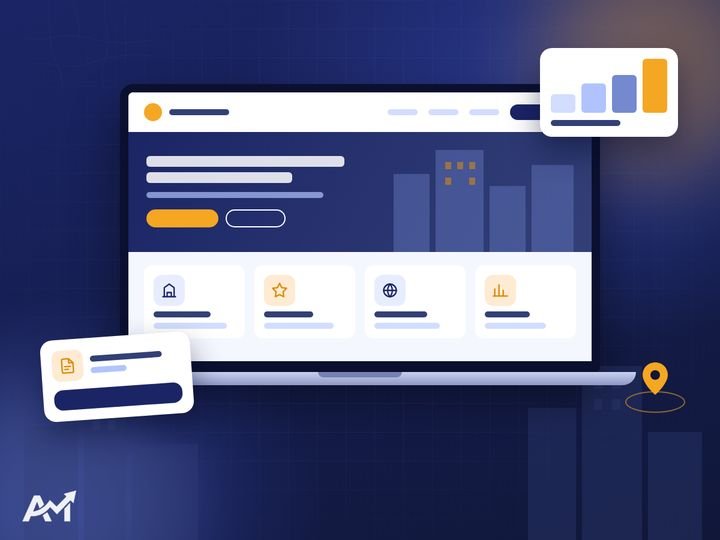
This is “your office on the internet”. It shows who you are, your services, your past work and how a customer can contact you. Its main goal is to win the customer’s trust and get them to request a quote or call you.
Suitable for: companies, factories, service offices, lawyers and accountants, and contracting companies. More details in our company website design service.
2. The online store
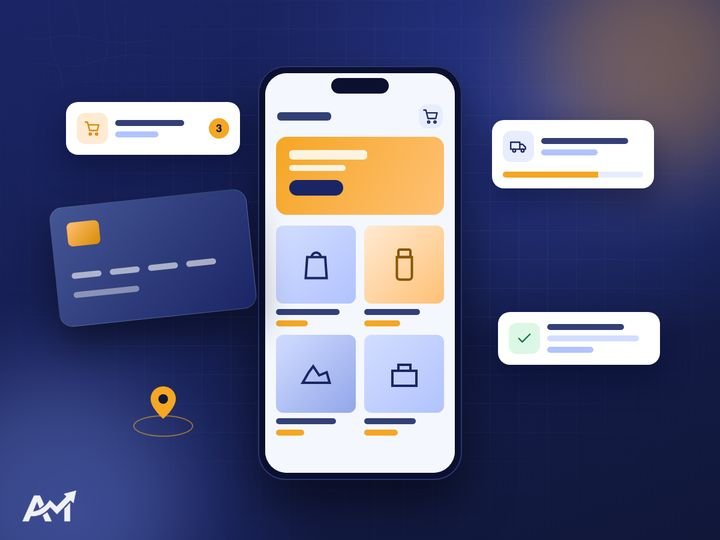
A site with products, prices, a cart, payment and shipping. The customer chooses, orders and pays on their own at any time, without waiting for a reply to a message. If you want to know what separates a successful store from one nobody buys from, read ecommerce website features.
Suitable for: shops and brands that sell products: clothing, perfume, furniture, electronics and food products.
3. The landing page
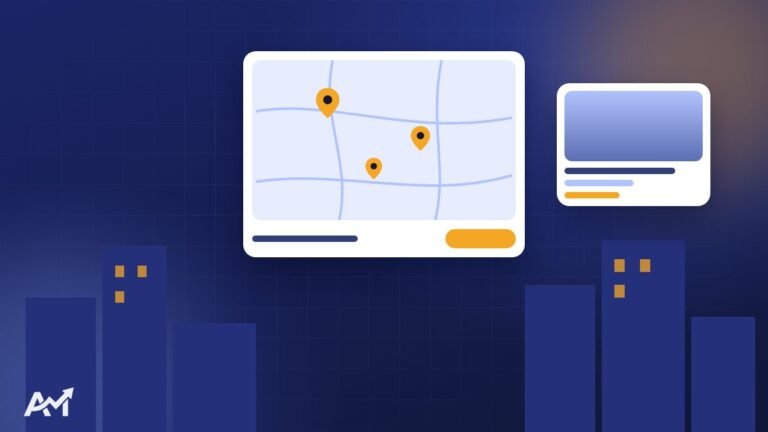
A single page focused on one goal: a specific product, an offer or an ad campaign. It has no long menus to distract the visitor; everything on it leads to one button: order, book or leave your number.
Suitable for: ad campaigns on Facebook and Google, new product launches and seasonal offers.
4. Booking websites
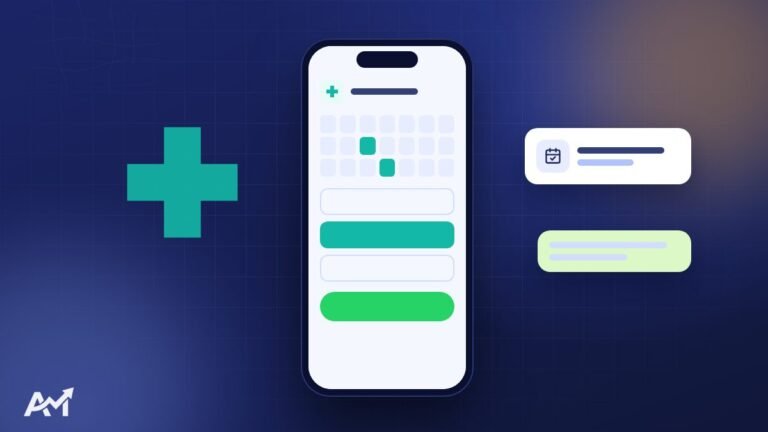
Sites whose goal is for the customer to book an appointment: clinics, salons and training centres. The most important thing is that booking takes one tap, as we explain in the clinic website and appointment booking.
Need a website that brings you customers? Tell us about your business and we will come back with a plan and a clear written quote. The first consultation is free.
Quick comparison
| Type | Goal | Suitable for |
|---|---|---|
| Company website | Trust and contact requests | Companies, factories and services |
| Online store | Direct sales | Shops and brands |
| Landing page | One goal for a campaign | Ads and offers |
| Booking website | Appointments and bookings | Clinics, salons and centres |
Can I combine more than one type?
Yes, and it is common. For example, a real estate company can have a company website that shows its projects, plus a landing page for each ad campaign. Read how a real estate website attracts serious buyers.
How do you choose?
- Do you sell products at fixed prices? An online store.
- Do you offer services whose price varies by customer? A company website with a quote request form.
- Do you have an ad campaign? A landing page.
- Does your work run on appointments? A booking website.
Real-world examples
A furniture shop: if it sells pieces at fixed prices, an online store is the best fit. If it makes custom designs for each customer, a company website with a quote request form is better.
A training centre: a site with appointment booking or course registration, plus a landing page for every new course that gets advertised.
A supply company: a strong company website with a page for each product or service, because the customer usually asks for quantities and special prices.
Features every type of website needs
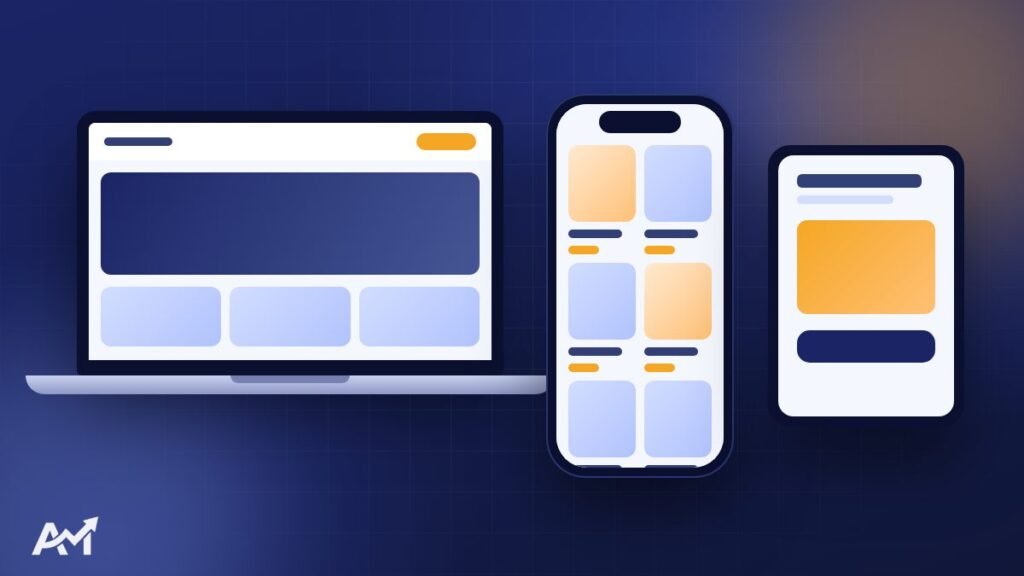
- Mobile responsive: whatever the type, most of your visitors come from phones.
- Fast: read why website speed matters.
- A clear contact button: WhatsApp, call and a form.
- Ready for Google: a title and description for every page.
- Connected to measurement tools: Google Analytics and the Facebook pixel.
When do you need to change your website type?
If you started with a company website and now receive many purchase requests on WhatsApp, you need a store. If you have a store but only a few products that sell through ads, focused landing pages may bring better results. And if your current site no longer fits, read signs your website needs a redesign.
Frequently asked questions about types of websites
Which type is the cheapest?
A landing page is usually the simplest because it is one page, and a store is usually the biggest because of payment, shipping and products. Details are in website design cost.
Can the landing page be on the same website?
Yes, and that is usually best, because it benefits from your site’s domain and keeps all visits in one place.
Can a company website sell?
It can bring you purchase requests through WhatsApp or a form, but without direct payment. If you want the customer to pay on their own, you need a store.
Other types you may need
The blog
A blog is usually not a site on its own; it is part of your website. It has articles that answer your customers’ questions, like the article you are reading now. Its benefit is that it brings visits from Google from people looking for information, and it builds trust in you before they contact you.
The catalogue website
Like a store but without payment: it shows products with photos and specifications, and the customer requests a quote. It suits factories and supply companies whose prices vary by quantity.
The customer portal
A part of the site the customer logs into to follow their orders or files. It suits companies that provide ongoing services, and it needs more development work.
How does the type of website affect marketing?
Each type has a different marketing approach. A store succeeds with direct product ads, because the customer sees the product and orders it at the same moment. A company website succeeds with SEO and content, because the customer takes time to compare before deciding. And a landing page is made for ads in the first place, because it focuses on one goal with nothing to distract the visitor. So when you choose your website type, also think about how you will bring visitors. If you want someone to manage that part, see social media management and ads.
Quick decision table
| If your goal is… | Start with |
|---|---|
| Selling products online | An online store |
| Getting quote requests | A company website or catalogue |
| Testing a product or offer with an ad | A landing page |
| Filling appointments | A booking website |
| Showing up on Google for your customers’ questions | A website with a blog |
And if you want to see real examples of each type, our work page has live stores, company websites and landing pages.
What is the difference between a store and a catalogue?
A store has a cart and payment, and the customer buys on their own. A catalogue shows the products and the customer asks for a price; it suits you if prices change with quantity.
Do I need a blog from day one?
Not necessarily, but preparing it from the start makes it easy to begin publishing articles later without changing the site.
Common mistakes when choosing the type of website
- Building a store for products whose prices change every time: a catalogue with quote requests fits better here.
- Relying on a Facebook page only: the page is not yours, its details are limited and it rarely shows up on Google.
- Sending ads to the home page: the visitor gets distracted between many services, and a focused landing page usually performs better.
- A big website from day one without ready content: empty or weak pages hurt you more than they help.
A website that grows with you
The smartest choice is to build a website on a foundation that allows growth. You start with a company website, then add a blog, then a store or booking when your business needs it, without rebuilding the site from scratch. That saves you money and keeps your website’s name and history with Google.
That is why the first question we ask in any project is not only “what do you need today?” but also “what do you plan to do in a year?”. The answer sets how the site is built from the start, and makes any later addition easy and fast.
If I have more than one business, should I build a site for each?
If the businesses are very different and have different customers, one site per business can work. If they are close to each other, one site with clear sections is usually stronger.
Which type is the fastest to build?
A landing page is usually the fastest because it is one page, followed by a small company website; a store takes more time because of products, payment and shipping.
Quick summary
- A company website suits companies and services whose price varies by customer.
- An online store suits products with fixed prices that the customer buys on their own.
- A landing page is built for one goal, usually an ad campaign.
- Booking websites suit clinics, salons and centres that work by appointment.
- Build a website whose foundation allows growth, so you can add other types later without starting from scratch.
Conclusion
The types of websites are different, and the right choice starts from your goal. If you are unsure, tell us about your business and we will tell you where to start. And if you want to know the budget, read website design cost.